
Soft tissue growths & Tumors

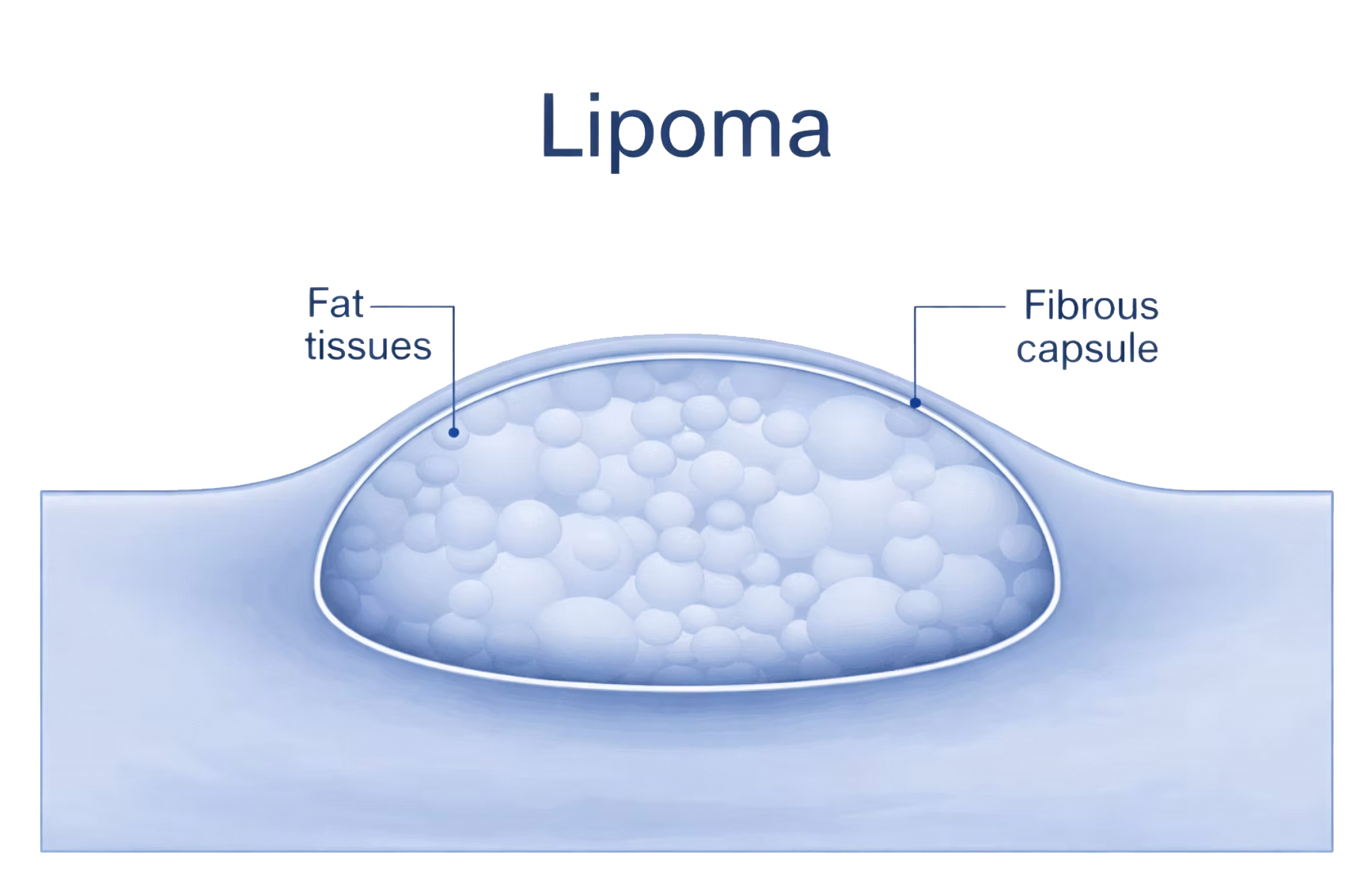
Soft tissue lumps and tumours are growths that arise from tissues such as fat, muscle, connective tissue, blood vessels, or nerves. Most soft tissue lumps are benign, such as lipomas or cysts, but some may be malignant (soft tissue sarcomas). Assessment is important, particularly if a lump is enlarging, painful, firm, deep-seated, ulcerating or associated with skin changes.

What to expect

Before Your Surgery

  • Authorization will be arranged by the rooms or hospital staff.
  • Fasting:
  • No solid food for 6 hours before surgery
  • No clear liquids for 2 hours before surgery
  • Most chronic medications may be taken, except diabetic medication (to be discussed with your doctor).
  • Inform your doctor if you are taking blood-thinning medication.
  • Imaging or biopsy may be required before surgery in selected cases.

Day of Surgery

The procedure is performed under local, regional, or general anaesthesia, depending on the size and location of the lump. After removal, dressings are applied and post-operative instructions are provided.

Procedure

Management depends on the size, location, behaviour, and clinical suspicion of the lump.

  • Some lumps may be monitored with clinical examination or imaging.
  • Symptomatic or suspicious lumps are usually surgically removed.
  • Surgery involves excision of the lump, often with a margin of surrounding tissue.
  • The specimen is sent for histological analysis to confirm the diagnosis.
  • The wound is closed with sutures or staples, depending on size and location.

Further surgery or referral may be required if malignancy is identified.

Procedure Length

Most procedures take 30–90 minutes, depending on the size, depth, and location of the lump.

Possible Complications

  • Bleeding
  • Infection
  • Scarring
  • Seroma or haematoma formation
  • Delayed wound healing
  • Recurrence of the lump
  • Altered sensation or nerve injury
  • Unintended damage to surrounding structures
  • Complications are uncommon. Contact the rooms promptly if you notice increasing pain, swelling, redness, discharge, bleeding, or fever.

Duration of Hospital Stay

Small or superficial lumps: usually day surgery Larger or deeper tumours: 1–2 days, depending on recovery

Discharge Instructions

  • Keep the wound clean and dry.
  • Follow dressing-change instructions carefully.
  • Take prescribed pain medication or antibiotics as directed.
  • Avoid strenuous activity or pressure on the surgical site.
  • Monitor for signs of infection or wound complications.

Return to Activities

  • Light activities may resume within 3–7 days.
  • Avoid strenuous exercise or heavy lifting until cleared by your doctor.
Back to work estimation
  • Desk-based work: 3–5 days
  • Physical work: 1–2 weeks or longer, depending on surgery extent

Follow-Up and Results Discussion

A follow-up visit is usually scheduled 1–2 weeks after surgery for:

  • Wound inspection and suture removal if required
  • Discussion of histology results
  • Planning further treatment or surveillance if necessary

If a follow-up appointment is not provided, please contact the rooms to confirm.