
Skin growths & moles

Skin growths and moles are common lesions that can appear anywhere on the body. Most are benign (non-cancerous), but some may change over time or have features that raise concern for skin cancer. Examples include moles (naevi), skin tags, cysts, lipomas, seborrhoeic keratoses, warts, and suspicious pigmented or non-pigmented lesions.

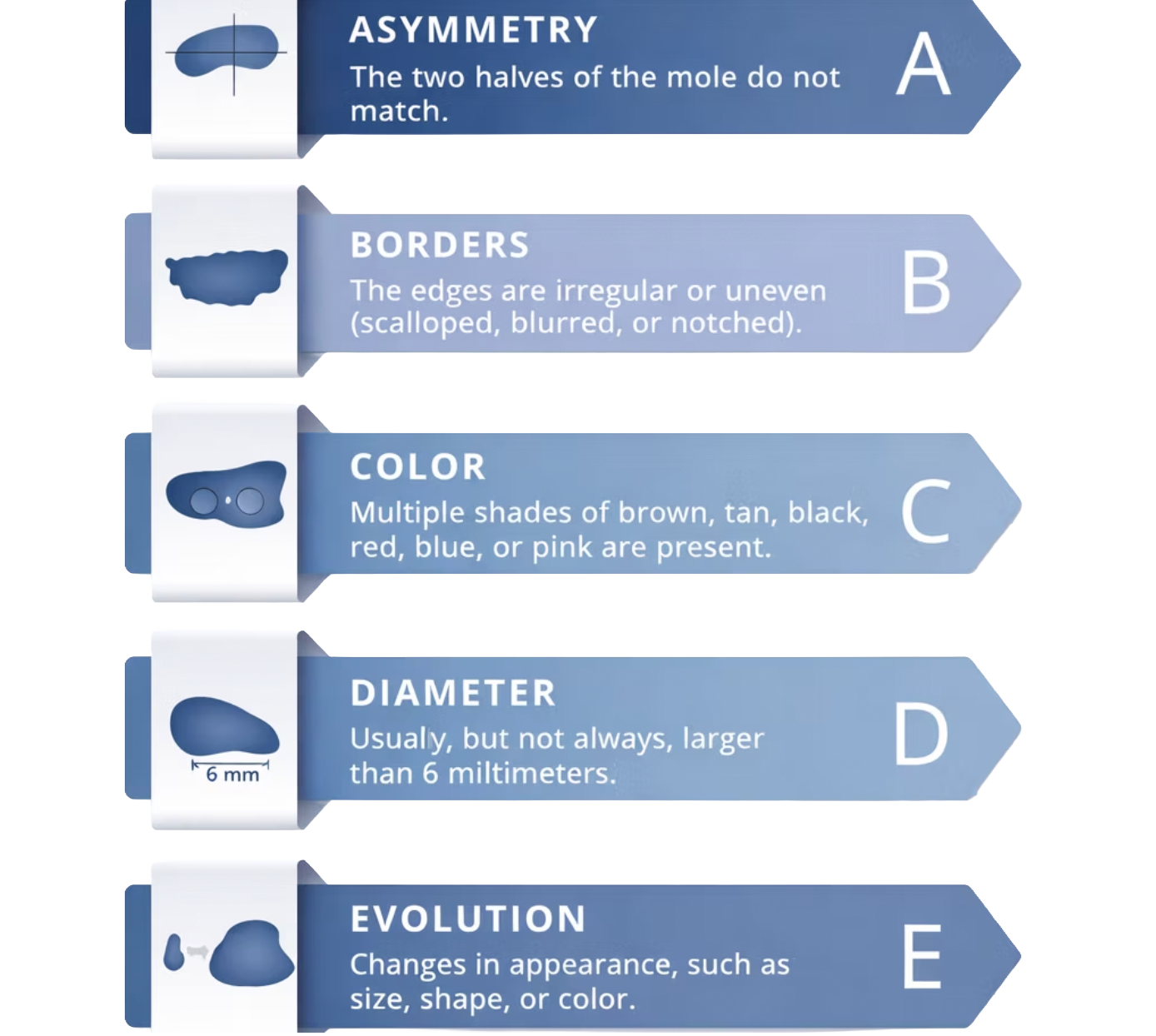
Assessment is important if a lesion is changing in size, shape, colour, bleeding, painful, itchy, or ulcerated

What to expect

Before Your Surgery

  • Authorization will be arranged by the rooms if required.
  • Fasting is usually not required, as most procedures are done under local anaesthesia.
  • Most chronic medications may be continued.
  • Inform your doctor if you are taking blood-thinning medication.
  • Avoid sun exposure to the area before and after removal if possible.

Day of Surgery

Procedures are usually performed under local anaesthesia. After removal of the lesion, appropriate wound closure and dressings are applied. Post-procedure care instructions will be provided.

Procedure

Management depends on the type, size, location, and appearance of the lesion.

  • Lesions may be monitored if they appear benign.
  • Suspicious or symptomatic lesions are usually surgically removed.
  • Removal is performed using excision, shave excision, or punch biopsy.
  • The lesion is sent for histological analysis to confirm the diagnosis.
  • The wound may be closed with sutures or allowed to heal naturally, depending on the procedure

Procedure Length

Most procedures take 15–45 minutes, depending on the number and complexity of lesions

Possible Complications

  • Bleeding
  • Infection
  • Scarring
  • Delayed wound healing
  • Recurrence of the lesion
  • Altered sensation or numbness
  • Unintended damage to surrounding structures
  • Complications are uncommon. Contact the rooms if you notice increasing pain, redness, swelling, discharge, bleeding, or fever.

Duration of Hospital Stay

These procedures are typically day cases, and patients go home the same day. Except in malignancies where lymph node surgery is also performed

Discharge Instructions

  • Keep the wound clean and dry.
  • Follow instructions for dressing changes.
  • Avoid soaking the area until healing has occurred.
  • Protect the area from sun exposure.
  • Monitor for signs of infection or bleeding.
  • Stitches, if present, will be removed at follow-up.

Return to Activities

  • Light activities can usually resume the same or next day.
  • Avoid strenuous activity or stretching of the area until healing is adequate
 
  • Most patients can return to work within 1–2 days, depending on the procedure and job requirements.
 

A follow-up appointment is usually scheduled 1–2 weeks after the procedure for:

  • Wound inspection
  • Suture removal (if applicable)
  • Discussion of histology results
  • Planning further treatment if required

If a follow-up appointment is not provided, please contact the rooms to confirm.