Colonoscopy

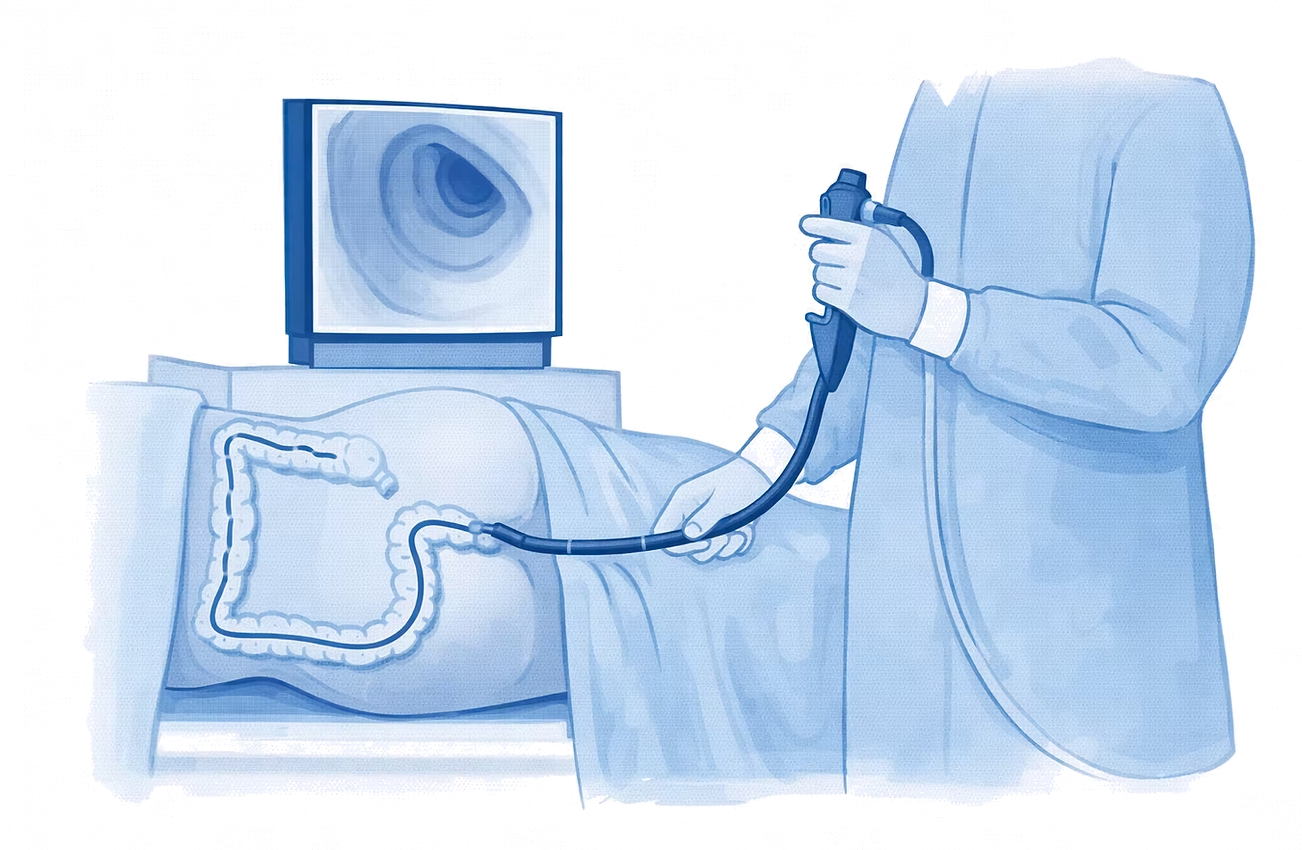
A colonoscopy is a procedure used to examine the entire large bowel (colon) using a thin, flexible camera. It allows direct visualisation of the bowel lining and helps diagnose causes of symptoms such as abdominal pain, rectal bleeding, altered bowel habits, anaemia, or unexplained weight loss. Possible diagnoses are diverticuli, polyps, inflammatory bowel disease among others. Colonoscopy is also used for screening and prevention of bowel cancer.

Polyps or abnormal tissue can be removed during the procedure.

What to expect

Before Your Surgery

  • Authorization will be arranged by the rooms or hospital staff if required.
  • Bowel preparation must be completed as instructed to clean the colon.
  • Clear liquid diet is usually required the day before the procedure.
  • Fasting instructions will be provided.
  • Most chronic medications may be taken unless advised otherwise.
  • Inform your doctor if you are taking blood-thinning medication.
  • Diabetic medication instructions will be discussed in advance.

Day of Surgery

Colonoscopy is usually performed under sedation. You will be monitored throughout the procedure. Recovery staff will observe you until the sedation wears off.

Procedure

Colonoscopy is usually performed as a day procedure.

  • A flexible scope is passed through the anus and advanced through the colon.
  • Air or carbon dioxide is gently introduced to improve visibility.
  • Polyps may be removed, and biopsies may be taken if required.
  • Therapeutic procedures, such as control of bleeding, can be performed during the examination.

Good bowel preparation is essential for an accurate and safe procedure.

Procedure Length

The procedure usually takes 20–45 minutes.

Possible Complications

  • Abdominal cramping or bloating (common and temporary)
  • Bleeding, particularly after polyp removal
  • Infection (rare)
  • Perforation (tear) of the bowel (very rare)
  • Reaction to sedation
  • Unintended damage to surrounding structures
  • Complications are uncommon. Contact the rooms or seek medical attention urgently if you experience severe abdominal pain, persistent bleeding, fever, or dizziness after the procedure.

Duration of Hospital Stay

  • This is a day procedure, and patients are usually discharged the same day.

Discharge Instructions

  • Do not drive or operate machinery for 24 hours after sedation.
  • Resume eating once fully awake, starting with light meals.
  • Mild bloating or gas discomfort is expected and usually resolves quickly.
  • Take prescribed medication as directed.
  • Monitor for bleeding or increasing pain.

Return to Activities

  • Normal activities can usually resume the following day.
  • Avoid alcohol for 24 hours after sedation.

Back to Work Estimation

  • Most patients can return to work the next day, depending on sedation recovery and job demands.

Follow-Up and Results Discussion

If biopsies are taken, results are usually available within 1–2 weeks.

A follow-up appointment or telephonic discussion will be arranged to:

  • Discuss findings and biopsy results
  • Plan further treatment or investigations if required

If no follow-up has been scheduled, please contact the rooms.